Showing posts with label ABA. Show all posts

Tuesday, April 12, 2016

An In S.T.E.P.P.S. Update!

Happy Spring to all our of friends, families, team members, and supporters! We hope this little blog of ours finds you well. We wanted to take a few moments to update you on all the recent happenings over at In S.T.E.P.P.S. 

Last month, Executive Director, Dr. Yvonne Bruinsma was nominated for the Presidential Women of Influence Award. Today, Clinical Director, Dr. Erin McNerney, and Coordinator of Clinical Staff Development, Rachel Zetino, attended the Women of Influence Awards on behalf of Dr. Bruinsma, who was busy attending a national behavior analysis conference. The event highlighted the many strengths and contributions of business women across industries. It was an honor to see Dr. Bruinsma among these many accomplished women!


Dr. Yvonne Bruinsma, Executive Director and Women of Influence Award nominee!
Coordinator of Clinical Staff Development, Rachel Zetino, and Dr. Erin McNerney, Clinical Director, attended the awards in Dr. Bruinsma's honor!

In S.T.E.P.P.S. continues to expand! Our administrative department has been relocated to their very own suite (be sure to stop by and say hi!), and we are using the extra space for clinic rooms! We are so excited about this as it will allow us to better serve our clients by allowing for skill generalization to other environments, team meetings, observations, training, additional social skills groups, and more! If you are interested in moving any of your 1:1 sessions to the office, let us know!


We have several new clinic rooms at our Irvine office!
We even have a two-way mirror!

Our San Diego and Los Angeles locations are really up and running! Huge shout out to our Regional Directors, Nicole Horton and Nicole Floyd, as they have put in an abundance of work to help In S.T.E.P.P.S. reach these communities. If you or someone you know would like more information about our additional locations please email us!


In S.T.E.P.P.S. San Diego! Isn't it beautiful?!
Clinic room in San Diego
Reception area in San Diego

Parent's Night Out (PNO) is becoming increasingly popular every month! We love that this one evening a month allows parents to have some much deserved time off to enjoy a date night, see friends, catch a movie, grab some dinner, or just relax at home. As you may have noticed, we have set a maximum number of attendees on our RSVP list on Evite. This is to ensure that we have enough support staff to guarantee a low child to adult ratio, and to make sure it is a positive experience for all those that attend. Unfortunately, this may mean we have a wait list each month. We hope you understand! Be sure to RSVP early to claim your spot. If you have any questions, email Clinical Supervisor (and PNO organizer), Lindsey Lewis, at LindseyL@instepps.com. Our next scheduled PNO is Friday, April 29 from 6:30-9:30. You can find the answers to FAQ by clicking here


We always end PNO with a dance party!

We have a big presence on Facebook, so be sure to head on over there and check us out. Be sure to "Like" us so you see our daily posts, pictures, and announcements in your news feed!  https://www.facebook.com/In-Stepps-212450818767386/

Thursday, March 12, 2015

Things We Love: The Plastic Accordion Tube

Toy: The Plastic Accordion Tube aka "Pop Toob" 
Description: This toy is as simple as they come! It is a plastic tube that makes different sounds when you spin it. It folds up small or you can extend it and make it long. The activities you can create with this toy are endless!
Good for: Kids motivated by movement and sound, imitating sounds, targeting expressive language, pretend play, and social skills

Targets:

Expressive requests

First words
“go” and/or “spin”

This toy is great for targeting these simple words. You can twirl the tube over your head, and as you do so, it makes a whistling sound. The tone of the sound changes by spinning it faster or slower. This creates a great opportunity to hold out for, or model, the word “spin.” You can also use the tube like a slide and have small toys slide down and prompt for “go.” This can be especially good for kids who do not yet have object permanence.

Two word combinations:
"Go fast", "go slow", "spin fast", "spin slow”, "long tube", "short tube”, etc. " Remember, the different speeds produce different tones which gives lots of opportunities for varied language!

Longer/ varied requests:
"Make a Light-Saber": turn off the lights and hold the short tube over a flashlight.  After the child makes the request you can turn the flashlight on and pull the tube long.
"Make a square.", "make an oval", etc.: you can many different shapes by connecting the tube together and bending it.
"Spin the tube fast", "spin the tube slow", and “spin the tube super fast!"


Imitating Sounds

A fully extended tube makes a great elephant trunk! You can hold it at the end of your nose, lift the other end high in the air, and make an elephant sound. Have your child do the same!

Use the tube as a telephone. Hold one end of the fully extended tube and have the child put near his/her ear. Use a whisper voice and talk into the tube. It’s like tickling them with your voice!

Spin the tube over your head and make helicopter sounds (kind of like “chicka-chicka-chicka” or whatever other sound you can come up with) and then give your child a turn!

Pretend Play

 It's a telescope and you're a pirate: "Land Ho!"
It's a microscope and you're a scientist: "I've discovered the tickle bug."
It's a stethoscope and you're a doctor: "Let's listen to your heart... bump, bump..."
It's a snake and, "It's Going to Bite You!"
Then Reverse the roles!

Other Activities

Take the tube into the tub and fill up a bucket with some water.  Dip the tube in and fill it with some water.  Hold both ends of the tube up so that it makes a "U" shape with the water at the bottom of the "U".  Put one end of the tube up to your mouth and blow hard so that the water shoots up and back into the tub.  Pretty Fun, right? Think of all the language you can prompt!
"on", "off", "water", "stop", "blow"..."under", "in", "pour"..."blow high", "be an elephant” "make a huge fountain." Get creative with it!


-David Koehler and Lindsey Lewis

Wednesday, March 11, 2015

Connect With Us!

We have had our blog up and running for a while, but we wanted to take a minute to reintroduce ourselves and reach out to those that may have just come across our organization. 

Welcome to the In S.T.E.P.P.S. Blog! We are thrilled you found us! 

Click around to read a little bit more about us and get to know our team and what we do. We have many ideas in the works to make our blog more relevant to our followers so we hope you keep checking back for new posts. You can subscribe to our blog directly on this page. 


Other ways you can connect with us


Sign up for our Newsletter: Email info@instepps.com

Sign up for our Event List: Email LindseyL@instepps.com

We are always continuously coming up with new ideas and programs so follow us and join us on the journey as we "STEPP" ahead together!

Saturday, March 7, 2015

Join IN STEPPS at the TACA San Diego Chapter Meeting!

In STEPPS will be presenting on PRT as an effective intervention for Autism at the TACA San Diego chapter meeting on March 24! Check out the flyer below. Hope to see you there! 


Autism Researchers Coming Together!


We are excited and proud to announce that our Directors, Yvonne Bruinsma and Erin McNerney, are co-authors on an important position paper published yesterday in the prestigious Journal for Autism and Developmental Disorders.  This position paper has an impressive list of authors that include some of the biggest names in current research on Autism Treatment and we are thrilled that In STEPPS was able to contribute to this important work!

The paper is titled: Naturalistic Developmental Behavioral Interventions: Empirically Validated Treatments for Autism Spectrum Disorder. It describes how the field of Applied Behavior Analysis (ABA) evolved from Discrete Trial Training to naturalistic teaching methods like PRT and ESDM that take developmental theories into account. It also describes common elements in naturalistic developmental intervention models demonstrating that these models have more similarities than differences. In short, the paper makes a strong case for autism researchers and practitioners to come together and work under the NDBI umbrella in order to bring improved understanding of the interventions to parents and funding agencies, and the most up-to-date, high quality services to our kids.  

We would be happy to email the paper to any of you that would be interested in reading it, but below is the link if you would like to download it from your own computer.


Download Your e-Offprint (PDF file)
Your 'Online First' electronic offprint is now available! Download your PDF file using the following link:

http://www.springer.com/home?SGWID=0-0-1003-0-0&aqId=2805611&download=1&checkval=2302d5fc550199d1f9115bd719ac2a6e

If the PDF file does not open automatically, please copy and paste the URL into your browser window. Please note that your free e-offprint will only be available for four weeks!

Your article will be assigned to a specific journal issue. After the production of that issue has been completed, you will be notified by email and a new, paginated e-offprint with the final cover of the respective issue will become available to you as a free PDF-download. Any additional (printed) offprints or posters you might have ordered will then be shipped to you.

Monday, January 5, 2015

10 Ways to Make 2015 a Great Year

by Lindsey Lewis

2015 is here whether you are ready or not! It is crazy to think that we are just as far from the year 2000 as we are close to the year 2030. We hope that you and your family enjoyed the holiday season and that you were able to enjoy the company of the ones you love most. Over here at In Stepps, we are back to business as usual! Vacations have wrapped up and our office is bustling with activity again after the holiday lull. We can’t wait to share all of the exciting things coming up.


A New Year is always packed with potential; each of us vowing that this year will be better than the last. For many people that can include a new exercise regimen or eating healthy. For others it means kicking addictions or repairing relationships. For those that have a child with autism, or any other special need, the goal for the New Year may simply be to make through 2015 smoothly. Many of you may find yourself at a point where the hope the New Year brings also brings anxiety, fear, and uncertainty. Will this school year finish successfully? Will the next IEP go well? What will we have to fight for? Will my child stay safe? Will we have any progress? If you find yourself feeling less than enthusiastic about the New Year, here are 10 ways that you can make 2015 a great one! 

1. Be Good to Yourself
As a parent, it can be difficult to put yourself first. Making your needs a priority often takes a back seat to the needs of your spouse, your children, your job, and anyone else that counts on you. Remember, your needs count and your needs matter. Believe it or not, the health of your family depends on you making time to care for yourself. We know it is not easy, and it may seem like there are not enough hours in the day. So start small. Take a few minutes during the day to do something for yourself whether it is enjoying a cup of coffee, calling a friend, going for a short walk, or simply sitting down. Eventually, increase the amount of time and take an hour to go for lunch, an exercise class, or get a haircut. Life can feel like a whirlwind, especially when you have a child with special needs, but it is okay to need a break. It is okay to take a break. If you spend a few moments every day doing something that you want to do, you’ll find your mood is better and you’ll have more energy and motivation to keep going. The payoff is huge and your family will reap the benefits!
* Note: In Stepps offers Parent’s Night Out once a month to allow families the chance to go on date night or just have a few hours off. We take the kids and you take the time for yourself!

2Change Your Own Behavior
This one is tough, but it is important. A lot of times we can find ourselves in ruts or up against the wall and have no way of knowing how to fix it. Start with you. Recognize the things that trigger you, that frustrate you, or that you see as a deficit and really look at how you can change your own behavior to get the outcomes you are looking for. This is taking the ABA approach that therapists are using with your child and using it yourself. Identify your behavior that needs to change or a skill you need to develop, make a goal, and go for it! We even encourage the use of reinforcement (think your favorite chocolate or a Starbucks latte). Don’t forget to collect data and so you can see the changes yourself. Ask your In Stepps parent consultant or supervisor for help on this one!

3. Make Lists
To-Do lists are great and you should use them! There is no way to predict what kind of things are going to come your way and that can be incredibly anxiety provoking. By writing down what needs to be done, you’ll feel a greater sense of empowerment each time you cross something off of your list. By the way, list making doesn’t have to stop with to-do lists! You can make lists for everything from grocery lists and meals for the week (you’ll save a lot of time and money) to organizational tasks. Write out the goals for yourself, your child, your family, and your career. You can cross things off as you accomplish them or put them away and come back to see how far you (and your child) have come!

4. Take Things One Day at a Time
Life is going to offer up good days and not so good days. Instead of worrying about what tomorrow is going to bring, focus on today. Identify the great things that happened or fix the things that didn’t go so well. If you think of the big picture all at once, you are going to feel like there is no way to get a handle on everything. By staying in the present moment, you’ll find that you are less overwhelmed and you won’t miss the moments from today that would pass unnoticed if you are worrying about tomorrow.

5. Ask for Help When You Need It
There is no shame in asking for help. In fact, we demand you do it more often! Remember, you are only one person and you can only do so much. You are balancing the needs of your family, your marriage, career, yourself, and your child with special needs. That is a lot for one person to manage. Go easy on yourself and if you need something, ask for it. We often forget that the others around us are not mind-readers (especially those living under the same roof), yet we can be extremely resentful when people aren’t doing what we expect or need from them. This can cause an excess of unnecessary tension in a household and it has a ripple effect. So instead of feeling like you have to take on everything on your own, ask for help. Create a chore chart, hold a weekly family meeting to divide the tasks for the days ahead, and ask others to help out when you need it. If a friend or family member asks how they can help, instead of saying “I got it” or “It’s fine”, take them up on the offer! That feeling of being stretched extremely thin will be long gone once you feel you aren’t doing everything all on your own.

6. Try Something New
You probably feel like you have the “circus routine” down with all of the balancing and juggling you are doing every day. It may feel like every day is just a repeat of the last. The best way to get out of a mundane existence is to change things up once in a while! Want to redecorate? Move your furniture around or pick up colorful new sofa pillows. Did you find a great recipe on Pinterest you have been wanting to try? Get in the kitchen and make it! Is your local community center offering an art class you would be interested in? Sign up! Is there a new restaurant your spouse mentioned? Plan a date night! Get the kids involved, too. Try a new movie, a new food, or a new activity. For little ones with autism change can be scary so start small if you need to, but use it as a learning opportunity! Never underestimate the power of introducing new things and activities to your life. The excitement can be contagious!
*Check out the In Stepps Pinterest page at www.pinterest.com/InsteppsABA and get inspired!


7. Appreciate the Small Victories
Have you seen that quote floating around that says something like “enjoy the little things in life because someday you will realize they were the big things?” That is what this resolution is all about. When you are living day in day out with a child that has special needs, days can easily blend and fade into each other. When one thing is accomplished, how quick are you to overlook it and focus on the next thing that needs to be accomplished? But wait a minute, that accomplishment was a big moment! Celebrate it, document it, appreciate it, and revel in it. Think of what it took to get to this point and how much work was put in. If you miss all of the seemingly small triumphs, chances are you won’t fully appreciate the major successes you and your child encounter.


8. Take More Pictures
This one doesn’t need much explanation. Take more pictures of your kids, the world around you, and the places you go. The most important reason why? We are in 2015; think about how fast we got here. Your life and your kids are going to grow and change so much, and photos will be your window for memories. Take videos while you are at it; you’ll want to remember the sweet voices of your children when they were little. If you have a child with autism or special needs, photos and videos will be what reminds you where you have been and a great way to document progress over time. Photos are the best way to remember the highlights each passing year!


9. Spend Less Time Comparing
It is so easy to fall into the trap of comparison. Especially when you are buried deep in the world of autism and special needs. How many times have you compared your child to typical developing kids? How many times have you compared your child with autism to another child with autism? How many times have you compared yourself to the “put together” mom? How many times have you compared your marriage to another? We live in a society that likes to share just about everything on social media and that can make it easy to browse through your newsfeed and get a glimpse into another person’s world. Remember, no one’s life is perfect and everyone has their own struggles. There is no benefit or productivity in comparing what you have to what someone else has, especially when it comes to your child. You will just find yourself discouraged and empty. Instead, channel that energy and focus on all the reasons you have to be proud of your life, your family, and your reality (hey, make a list: see #3). Love, appreciate, and be compassionate of others but quiet that voice of envy.

10. Spend More Time Enjoying Your Life
You have a plate full of responsibilities and obligations you must fulfill every day, but let that be just a small portion of your daily living. You will inevitably face a great deal of challenges at the hand of autism, but make a resolution to not allow autism to define you or your child. Give your children the gift of a childhood that includes laughter, play, and fun. Remember the reason you fell in love with your spouse. Share in gratitude for the home you have built and the life you have created. Be good to yourself and those around you. Get outside, enjoy the sunshine, and spend lots of time loving each other. Your world is unique. Embrace the journey because life is too short to waste on wishing you were somewhere else.

Thursday, December 11, 2014

You Are Invited to Our Holiday Open House!

Join us on December 23rd from 10 am to 2 pm for this fun holiday event at the In STEPPS office! We will have a sensory-friendly "Calm Santa" to visit with. Each child is welcome to take a FREE picture! There will also be fun activities like cookie decorating and holiday arts and crafts. This event is open to the entire community! It is a great opportunity for parents of children with and without special needs to see Santa and enjoy holiday festivities in a fun, safe environment. Our highly trained ABA team will be on hand to make sure this event is successful for everyone! You can RSVP by emailing Lindsey Lewis (lindseyl@instepps.com) or check out our Evite here!

Hope to see you there! 


Monday, September 22, 2014

IN STEPPS is Expanding!

Hi Friends! We hope this latest post finds you all well. Going back to school can be a hectic time, so hopefully everyone is back in the swing of the routine and successfully adjusted. 

Wow, another busy Summer has come and gone. It is hard to believe that we celebrated our 4 year anniversary in July. Time sure flies! We have accomplished so many wonderful things, worked with amazing clients and families, and grown our agency bigger than we could have imagined. And we aren't ready to stop yet! There are some great things ahead for us that we are excited to share with you. To start with, IN STEPPS is now serving North San Diego county. This gives us the incredible opportunity to reach even more families in need of quality services and take our model beyond our Orange County roots. Hooray! Don't worry, we will continue to serve families in the OC area.


Here is the important information for those that are interested:

Two of our most experienced BCBAs, trained in PRT, will begin working with families beginning mid-October. Specifically, we will begin accepting insurance (Anthem Blue Cross, Blue Shield/Magellan, AETNA, and UBH/Optum) and private pay clients beginning in October and San Diego Regional Center soon after. We provide 1:1 and Parent Consultation/Supervision services in-home and in private preschools using PRT. 

We will begin by serving the following cities and areas:
San Marcos
Oceanside
Carlsbad
Leucadia
Solana Beach
Cardiff by the Sea
Encinitas
Poway
Vista
La Costa
La Jolla

Please let us know if you need any information about our program or check out our website: www.instepps.com

We will be happy to answer any questions you have, so don't hesitate to reach out to us.
 
As always, we continue to thank you all for your support! We wouldn't be where we are today without you! Keep checking back for updates on our program and services. There will be more good things to come! 

Thursday, April 3, 2014

In S.T.E.P.P.S. in Mexico

By Mayra Corona, M.D., Case Supervisor 

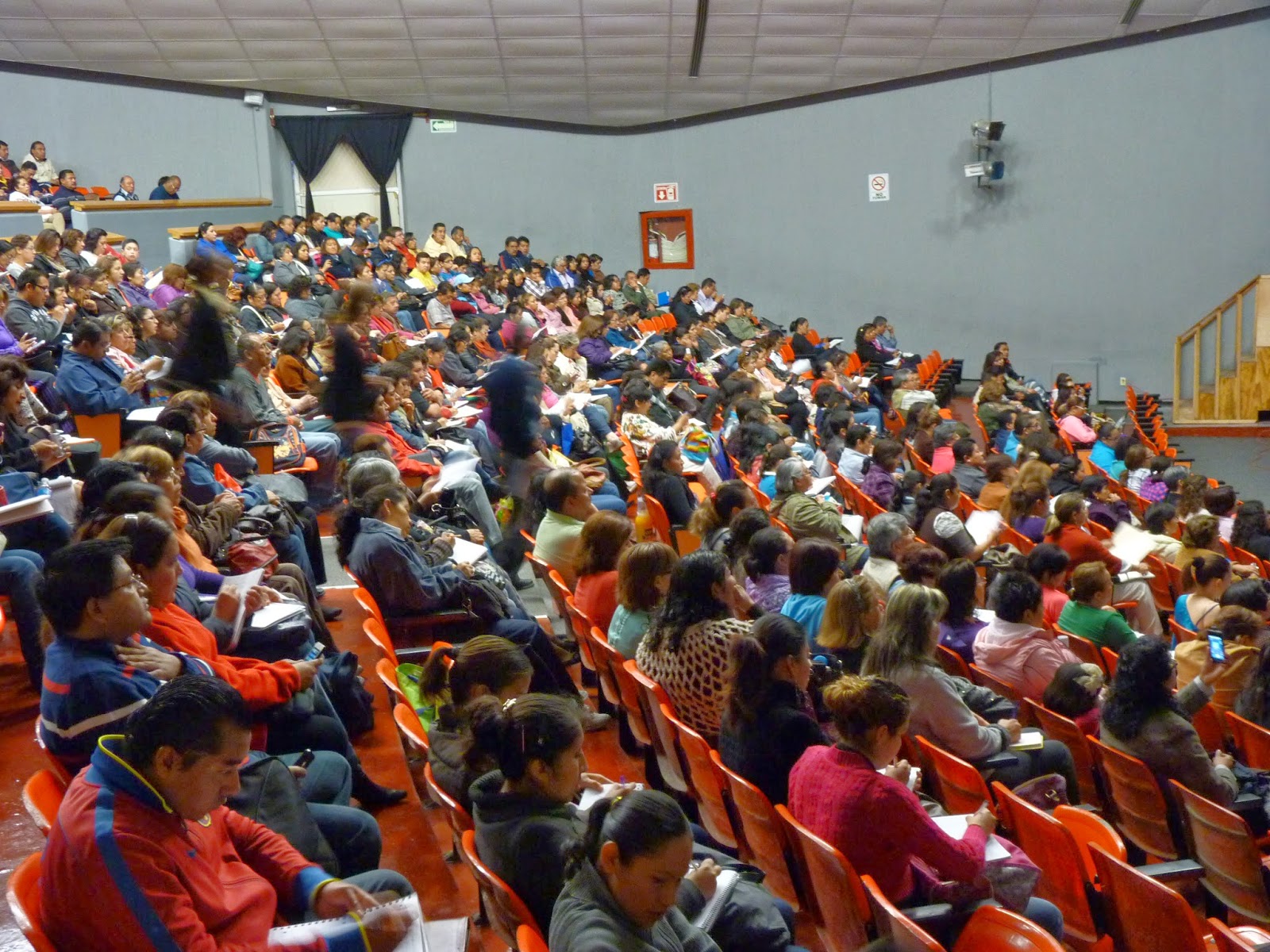
In March I was visiting family in Puebla, Mexico. While on my vacation, I was contacted by Wendy Lopez, director of a psychiatric hospital in Mexico, who invited me to give a talk about therapeutic techniques being used in California for children with autism. The talk was intended for psychiatrists, doctors, special education teachers, and parents. I thought it would a nice opportunity to talk about ABA, PRT and our work with children and adolescents with autism. I have spoken in front of groups before and thought I knew what to expect. The presentation was scheduled on a Saturday,from 8am-11am and I was amazed that more than 800 people attended!. I talked about autism, provided an introduction to ABA (history and basic concepts ) and gave a brief presentation on Pivotal Response Teaching (PRT), the methodology used at In Stepps. Many people in the audience had never heard about ABA or PRT and they were very interested, and participated in the discussion with questions and comments. I was so happy to be a part of In Stepps and to have the opportunity to bring such important and needed information to my native country. I am hopeful we can continue to share our knowledge with professionals and parents in Mexico!


Saturday, June 22, 2013

Summer Bucket List (Survival Guide?)

A perfect summer day is when the sun is shining, the breeze is blowing, the birds are singing, and the lawn mower is broken.


It's official! Summer is here. The kids are out of school and home all day. The weather is getting warmer. You have become the entertainer. Do you find yourself dreading the next few months because you have no idea how to keep the little ones busy? Do the words "I'm bored" or "there's nothing to do" sound like nails on a chalkboard? Let us help!

Make this the best Summer yet by finding a creative way to incorporate daily activities for the kids or big events for the whole family! You can use a large calendar, post it notes, jars, stickers, white board, poster board, colored markers, game spinners, and more to get the kids involved in planning their time off. Or use as reinforcement/rewards for completing less-preferred activities (chores, summer homework, reading, shopping, etc.). The possibilities are endless. Not only will it give the kids things to do but it will also keep your schedule organized and structured. Tip: Take photos of all the fun things you do and make a Summer scrapbook/memory book before school starts.

Need some help brainstorming? Be sure you ask your kids first, they probably have some ideas of their own! Then check out the list below if you are still stuck or need to add more to fun to your calendar. 

Tip: Pinterest also has some amazing ideas and links to step-by-step instructions for recipes, art projects, kid's activities, and more! You could even make a "Mom Bucket List" and try some new crafts, DIY projects, organizing, cooking, and baking ideas! 

Send us pictures of your Summer Bucket List/Survival Guide/Activity Chart and tell us what fun things you will be doing! 

*Have a picnic in the park
*Go on a hike
*Have a bike "car wash"
*Make a lemonade stand
*Run in the sprinklers
*Plant flowers or vegetables
*Bike ride at the beach
*Have a Skype call with a family member or friend that lives out of state
*Eat dinner in the backyard
*Go on a stay-cation. Find a hotel in the area (we suggest one that has a great pool) and book a night or two
*Play hide and seek outside during the full moon or with flashlights
*Bubbles, bubbles, bubbles
*Movie night with popcorn
*Make birthday cards and thank you cards
*Watch fireworks
*Volunteer to walk or play with the dogs and cats at a local animal rescue
*Pull out a map and let the kids pick somewhere to take a day trip. Tip: Help them google all the things to do in that city
*Make a sandcastle
*Go on a bug hunt
*Collect seashells and make home decor by putting them in a jar or basket
*Decorate the driveway with chalk
*Water balloons
*Play "high/low" at dinner every night. Take turns talking about the "high point" of your day and the "low point" of your day. Discuss as a family. 
*Visit an amusement park, water park, aquarium, local museum, zoo, or activity center. Take a family picture in front of each place you visit
*Invite the neighborhood kids over for an ice cream sundae party
*Go to a local senior living home and have the kids read stories to the residents
*Clean out the closets and donate old toys and clothes to Goodwill
*Set up relay races or obstacle courses in your yard or at a local park
*Make a bird feeder with household materials and hang it from a tree
*Send snail mail to someone (write a letter, put it in an envelope, stamp it, and send it through the USPS)
*Ride horses
*Look up local carnivals, fairs, and festivals to attend
*Exercise as a family (walking, biking, yoga, jump-rope)
*Write letters or send care packages to troops overseas
*Check out a local concert in the park
*Visit your local farmer's market and pick up local produce to make smoothies
*Add the hose to dirt or mud and throw in some rubber worms or plastic animals
*Make a playlist of the kid's favorite songs and have a dance party
*Paint with items other than paint brushes (think apples, hot wheels, potatoes, sponges, q-tips, cotton balls, string)
*Spend the day "screen free" (no tv, ipad, itouch, kindle, iphone, laptop, etc.) Tip: Mom & Dad, too!
*Check out library books
*Have a sensory day - fill tubs up with rice, beans, water, slime, sand, etc 
*Find kid-friendly recipes that they can help you make
*Head out to the local bowling alley and have a friendly competition
*Have a family board game night
*Go to baseball games or host your own
*Host a birthday party
*Make homemade popsicles
*Finger-paint with pudding
*Have breakfast for dinner
*Fly a kite
*Find art classes or kids workshops (check out Michaels, Lowe's, and Home Depot)
*Find some household items to use as instruments and make a band
*Make your own playdoh
*Use paper bags to make puppets and have a puppet show
*Build a fort with sheets and blankets in the living room
*Make candy jewelry
*Make homemade ice cream
*Go to all the parks within a few miles of your house. Make a list and check them off as you go.
*Grab a tent and go camping (even if it's only in your backyard)
*Have a campfire and make s'mores

Sunday, May 12, 2013

The In Stepps Mom is Super Mom


The In Stepps Mom
By Lindsey Lewis

Dedicated to all the wonderful mothers that allow us into their homes every day. 


We work in a unique field in which we find ourselves in the private sanctuary of those we work with--their home. I think it can be easy to forget how personal and intrusive our services can be when we lug our bags of toys in the front door every day for two (or more) hours, move around the living room or yard or kitchen, ask for accommodations, and make ourselves comfortable. I can’t help but think: most mothers use their homes as their refuge from the world; a place to keep their children safe and warm, a place to nurture their marriages, a place for privacy and solitude. A place they can let their hair down, put their feet up, and feel most at ease.

And then I think of the “In Stepps Mom.” I think of her home, her life, and the strength she may not see in herself. But we think the In Stepps Mom is super woman.

She is a woman that wakes up every morning with a schedule. And I’m not talking about a schedule like dropping the kids off, going to yoga, a lunch date, or a trip to the mall. I am talking a schedule that includes more acronyms than any mother should know: PT, OT, ABA, SDC, IEP, RCOC, PC, DI, IFSP, BIP. Her day requires planning from start to finish. She is the first to wake up and the last to go to bed; her life is in constant movement.

She is a woman that has allowed her home to become grand central station; an endless revolving door of play dates, activities,  meetings, and services on top of every day routines like bathing, meals, and cleaning. The walls around her are covered in visuals, schedules, and data sheets.

She is a woman who does not think about herself, but constantly thinks of her children. She struggles to balance the needs of her child(ren) with autism with her other children; trying to find a way to show each of them the abundance of love she has, even though she is stretched so thin.

She is the woman who is home, every day, at the same time for therapists and consultants. She puts aside her own needs and schedule so her child can receive hours and hours of therapy. She opens her door to strangers who, over time, become part of her daily routine and her family.

She is the woman who has dealt with ugliest of tantrums and the pickiest of eaters. She has dealt with the judgmental stares of those that have not walked in her shoes and the unsolicited advice of family and friends. She has dealt with the most devastating setbacks and the most celebratory triumphs. She has dealt with tears—tears of anger, tears of pain, tears of sorrow, and tears of joy. Yet, in all that she has dealt with, she opens her door with a smile and allows us in.

She is the woman who offers us coffee or water, when she herself has yet to sit down and take a sip of anything. She asks about our families, spouses, children, and lives before sharing anything about her day. She stops herself from complaining and venting (even when she has every right to both) and keeps moving, eager to see what progress the session will bring.
   
She is the woman who trusts what we do, the advice we give, and embraces the support we provide. She challenges herself to change her own behavior to better the daily living of her children and family. She has learned that every decision she makes has a consequence that can affect her child and she may weigh her choices more heavily than most.

She is a woman who is moving to overcome her fear of the word “autism.” She has googled every therapy, every vendor, every doctor. She can anticipate a tantrum before anyone else can sense it. She can understand the unclear language of a child that once could not speak. She can see the way her child shows love, even if it is not through hugs, kisses, and words. She is a woman who sees past stereotypic behaviors, limited language, and having to assist the most basic of skills and she sees the child she knows inside and out. The child she loves. The child she fights for. The child she advocates for. The child she believes in. The child that makes the entire journey worthwhile.  Instead of breaking down in grief, she has stepped up and marched on.

The In Stepps Mom and her home are special. She does not always get to relax, kick up her feet, and enjoy quiet at the end of the day. She has little to no privacy. Her hair may not be washed, there may be dishes piling in the sink, and the laundry is scattered all over the couch. She is tired, hungry, stressed, and anxious, yet she is giving everything she has to give. She does it for her family. She sacrifices so much and asks for so little because of the love she has for her children. Even on the darkest of days, she does not quit; she does not let the challenges get the best of her. She does not use her front door to shut the world away once she is inside; she allows the world in for her child. Her home is the heart of her day, and she is the heart of her home.

Happy Mother’s Day to the amazing women and moms we have the privilege of working with every day. We admire you so!  

Monday, March 11, 2013

Join Our Team!

Are you or someone you know looking to be a part of a great company that offers excellent support and training, work with kids, and FUN? Keep on reading.... 


As a young organization that is growing quickly we are looking for highly motivated and skilled professionals. We work in close collaboration as a team and seek experienced and passionate individuals at all levels of expertise. We offer flexible hours, quality training and supervision, and competitive hourly rates. We are currently hiring for the following positions:

Behavior Therapist
A behavior therapist works directly with the child in the natural setting. Therapists must be flexible, resourceful, creative and have fun playing with kids. Experience working with children with developmental disabilities is preferred, but not required. If you are enthusiastic, have high energy, can multitask, and if you like feeling supported in the field through on the job coaching , you are an excellent candidate for this position!

Supervisor/Parent Consultant
A Supervisor/Parent Consultant provides ongoing support to therapists in the field with their families. In addition, this person provides ongoing training and feedback to all members of the child’s team, including parents, grandparents, and other stakeholders. This position requires high level knowledge of Applied Behavior Analysis and Pivotal Response Treatment and a BCBA is highly preferred. This position can be salaried.

If you are interested in any of these positions, please email us your resume at info@instepps.com 

or call us at (949) 474 1493. We look forward to hearing from you !


18008 Skypark Circle, Suite 110 Irvine, CA 92614  Phone: (949) 474 1493 Fax: (949) 726 8324

Monday, June 11, 2012

Important Insurance Information

SB 946: What is it and How will it Affect My Child’s ABA Services?


Q: What is SB 946?
A: In October 2011, Governor Jerry Brown signed Senate Bill 946 (SB 946), which goes into effect in California on July 1, 2012, and expires on July 1, 2014. It mandates that health insurance must cover ABA/behavioral therapy for individuals diagnosed with an autism spectrum disorder or a pervasive development disorder. SB 946 is sometimes called the “Insurance Mandate.”

Q: Will all medical insurance cover ABA therapy?
A: No. There are 2, possibly 3 exceptions to the bill:
1. Medi-Cal is excluded from the bill. If your child only has Medi-Cal coverage, you can simply call your Service Coordinator and Regional Center should continue to cover your ABA services.
2. Self-insured plans are excluded from SB 946. A self-insured plan is a plan that is administered by a regular insurance company, but where the company the parent works for has taken on the financial risk. Self-insured plans are federal plans, this means they do not fall under a State Mandate such as SB 946 (they are governed by a federal agency called Erisa). However, some self-insured plans have voluntarily decided to cover ABA services. These plans have what is called a “carve-out” for ABA coverage. This is typically stated in your plan manual, but you can always call your benefit representatives at the insurance company OR your HR department at the Company you work for.
3. Although SB 946 specifically excludes state-funded insurance plans, it looks like Cal-Optima and Healthy Families are going to now cover ABA due to federal legislation called AB 88: The Mental Health Parity Act.

Q: What do I do if my family has a self-insured plan and ABA is not covered?
A: You must obtain a denial from your insurance company that shows ABA is excluded from your plan. Therefore, you must still call your insurance company and request services. Regional Center will request to see the denial in writing prior to September 2012 as stated in the letter you received, in order to prevent a gap in funding. In addition, your service coordinator may ask you to appeal the denial.

Q: How do I know if my insurance plan covers ABA?
A: You can call your insurance and ask them directly. If your plan does not have mental health or behavioral health benefits ABA is most likely not covered. You will need to call the “Mental Health” or Behavioral Health” number on your insurance card, NOT the Medical Benefits number. You can also complete our Insurance Information Form and we can call to determine your coverage.

Q: Will the Regional Center stop funding my child's services and when will that happen?
A: Regional Centers are considered a “provider of last resort”, thus, effective July 1, 2012, for those individuals with a diagnosis of autism or a pervasive developmental disorder they must refer families to their insurance provider before they will fund ABA services. Families whose insurance plans do not cover ABA would continue to be eligible for funding through the Regional Center.  Each Regional Center is responsible for notifying families of the change in funding. In May 2012 Regional Center of Orange County sent letters to families receiving behavior services, stating that families have until September 30, 2012 to obtain authorization or denial for ABA through their insurance plans. For those whose plans do not cover ABA, Regional Center services should continue. For those whose plans cover ABA, Regional Center services would terminate effective September 30, 2012.

Q: What is the process to get insurance coverage?
A: If you have completed our Insurance Information Form we will contact your insurance company and can often get an authorization if we are in-network. You will also need to obtain a prescription for ABA from your child’s doctor to show medical necessity for the service. If we need additional information we can work with you to obtain it and follow up with insurance. You can also contact your insurance plan directly and ask what is covered in terms of ABA services. You can inquire which agencies they have in-network. Your insurance company may also ask for the original documentation showing your child’s diagnosis, especially if they do not already have this on file.

Q: How do we get a prescription for ABA?
A: Call your doctor (usually a pediatrician or neurologist) and tell them you are pursuing insurance coverage for your child’s ABA and it requires a prescription. All that is needed is a note from the physician saying: “Johnny X needs ABA therapy.” It does not need to state the number of hours or any other detail. It is helpful if it shows your child’s diagnosis on 5 axes (your physician will know what this means). The prescription must be written by the doctor - prescriptions by a nurse or social worker are typically not sufficient.

Q: What happens if my insurance authorizes fewer hours than we had through the Regional Center?
A: It is likely that each plan will have its own policies and standards in terms of what they will (or will not) authorize. In the event your insurance authorizes a service level that does not match what you have been receiving through the Regional Center, be diligent about documenting their reasons/rationale for why they are authorizing a different level of service. You may then need to contact your Service Coordinator at Regional Center to request funding for the additional hours.

Q: How do I ensure we get to keep our current provider?
A: While there is no way to ensure keeping your current provider, the more proactive you are in working with your provider, the better! If you are an In STEPPS client, complete our Insurance Information Form so that we know which insurance company you are with and what plan you have. We have been actively working on becoming an in-network provider with most insurance companies and if we know your plan we can make sure we complete the application. If you have questions, call our office! Once we have determined that your insurance plan covers ABA, and that we are in network with that plan, you can request (verbally and in writing) that you would like to continue receiving services from your current provider. The insurance company may refer you to a different agency or provide you with a list of agencies that does not include your current provider; however, if you know your provider is in-network you should reiterate your preference and inquire what the process is for remaining with your current provider.
If your current provider is not in-network, you can ask for a “letter of agreement” between your insurance and the provider.

Q: What about copays?
A: Each insurance plan has its own formula for copays, which will apply to families receiving ABA. The Department of Developmental Services is not allowed to reimburse families for copayment costs; however each of the 21 Regional Centers can respond to family needs. The Regional Center of Orange County has announced they will look at family income in determining if they are able to assist with copays via partial to full reimbursement. Families should contact their Service Coordinator and inquire what steps they need to take in order to apply for assistance with copayment costs. Regional Centers will not cover the plan deductible; however, in the event of extreme family hardship contact your Service Coordinator to discuss.

Q: Will we keep the same team?
A: It depends. Each insurance company delineates that services must be provided by “qualified autism service providers” and outlines what the requirements are for each type of service. Requirements are slightly different from insurance company to insurance company and in addition, some companies require staff complete a lengthy credentialing process prior to being able to provide service through insurance.

Other tips:
• Always document your conversations with representatives from your insurance. Note the date, time, and name of the person with whom you speak. Sometimes representatives will not provide their last name but instead will provide an employee or A-number. Get a reference number if applicable.
• Don’t get discouraged if the first few people you speak with do not seem to know what you are asking about! This is a new area for insurance companies too, so do not be surprised if you find yourself educating the representative! Be persistent, and you can always ask to speak with someone else who is knowledgeable about coverage for ABA. It may help to inform the representative of your child’s ASD diagnosis-this appears to be a trigger for representatives to remember what ABA is all about!
• Expect some glitches in the system. These are confusing times for families, insurance companies, regional centers, AND providers! By working together we can get through the challenges ahead, and ensure your child continues to receive the support they need.